- Country
- United States of America (USA)
- Manufacturer / Brand
- Fisher Radio; New York (NY)
- Year
- 1970 ??
- Category
- Broadcast Receiver - or past WW2 Tuner
- Radiomuseum.org ID
- 128097


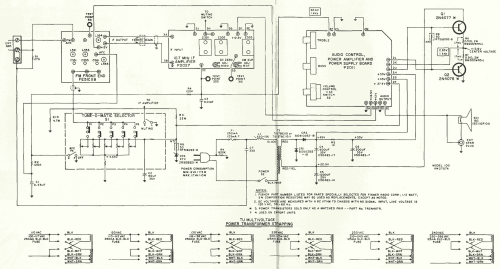
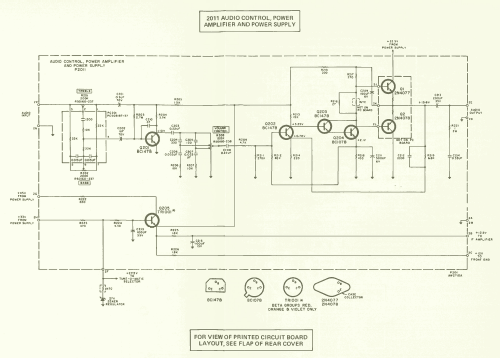


Service Manual
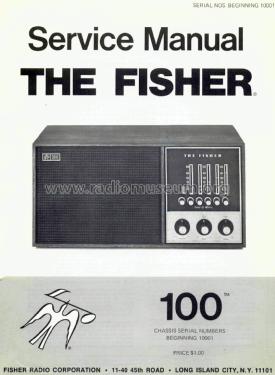
Service Manual
Click on the schematic thumbnail to request the schematic as a free document.
- Number of Transistors
- Semiconductors present.
- Semiconductors
- Main principle
- Superheterodyne (common)
- Wave bands
- FM Broadcast Band Only
- Power type and voltage
- Alternating Current supply (AC) / 120 Volt
- Loudspeaker
- Permanent Magnet Dynamic (PDyn) Loudspeaker (moving coil)
- Material
- Wooden case
- from Radiomuseum.org
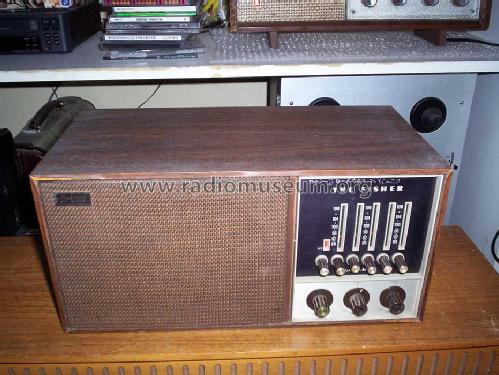
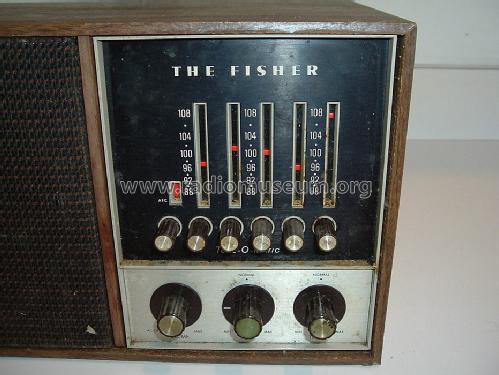
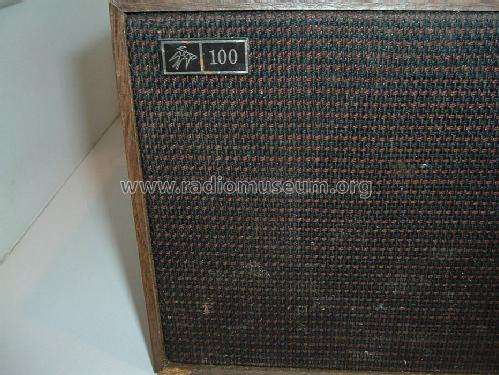
- Model: 100 - Fisher Radio; New York NY
- Shape
- Tablemodel without push buttons, Mantel/Midget/Compact up to 14
- Notes
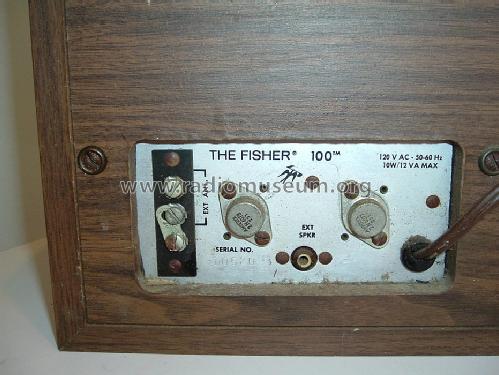
- 5 tunable push-buttons, AFC, ext. speaker RCA jack.
- Source of data
- -- Collector info (Sammler)
- Author
- Model page created by a member from A. See "Data change" for further contributors.
- Other Models
-
Here you find 586 models, 497 with images and 193 with schematics for wireless sets etc. In French: TSF for Télégraphie sans fil.
All listed radios etc. from Fisher Radio; New York (NY)
Collections
The model 100 is part of the collections of the following members.
Forum contributions about this model: Fisher Radio; New: 100
Threads: 2 | Posts: 11
good morning all.
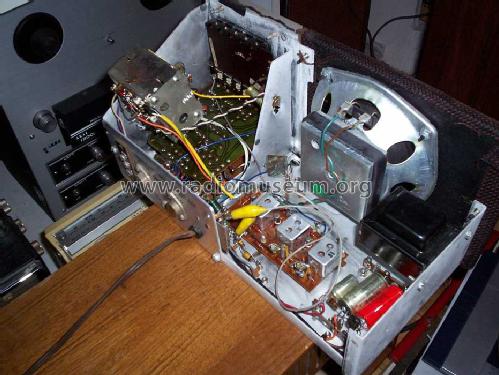
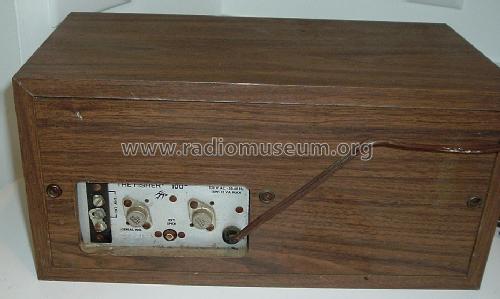
i just received a fisher 100 microreceiver (small tabletop radio) with two exposed transistors mounted in the back, where they're accessible without removing the case -- an amperex 2N4077 and a 2N4078 "Germanium" transistors. they have twin prongs that plug into the back of the unit). i've lost my bass and treble controls. i don't have a schematic. i'm hoping that replacing these transistors might solve my tone-control problem. i'm getting plenty of good sound out of the speakers, even with these transistors unplugged. i'm getting no continuity between the prongs of both transistors. i just got this very impressive radio and am trying to determine what has happened to the tone controls. i thought they worked when i received the radio, and i'm troubled that they've gone out so fast. can anyone please help?
thanks very much.
--charles jones
Charles Jones, 16.Oct.08
Also known as the Fisher Microreceiver 100.
Charles Jones, 15.Oct.08