radiomuseum.org
Please click your language flag. Bitte Sprachflagge klicken.

Deutsches Technikmuseum Berlin (DTMB)

10963 Berlin-Kreuzberg, Germania (Berlin)

Indirizzo Trebbiner Straße 9
 
 
Spazio espositivo stima approssimativa: 25 000 m² / 269 098 ft²   Spazio espositivo per la radio (se diverso) 500 m² / 5 382 ft²
 
Tipo museo Esposizione
Technical Museum in general
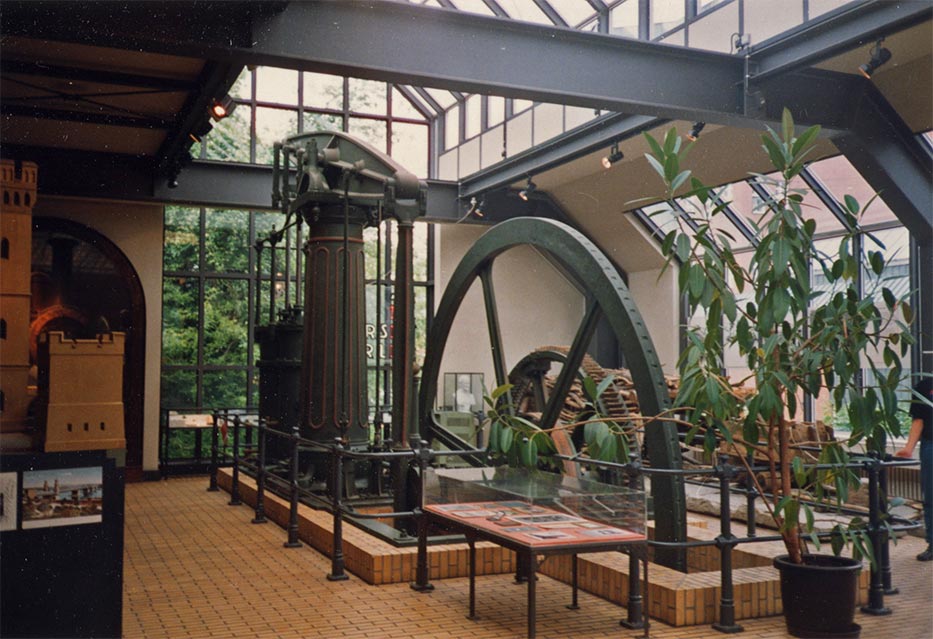
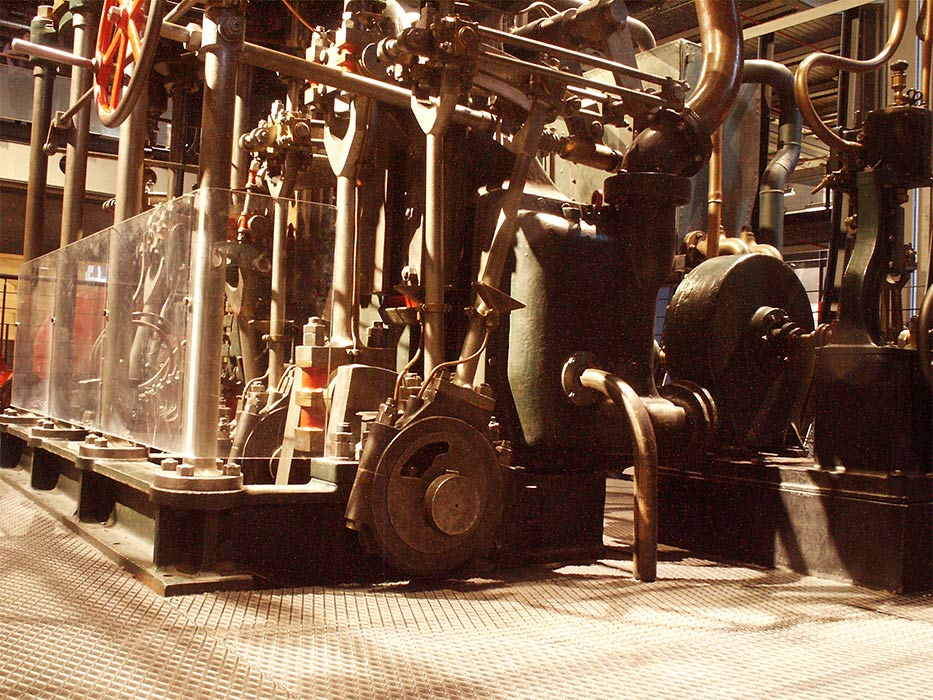
  • Steam engines/generators/pumps
  • Navy / Watercraft
  • Model Railway
  • Chemistry
  • Typewriter, calculating and coding
  • Surveying Equipment
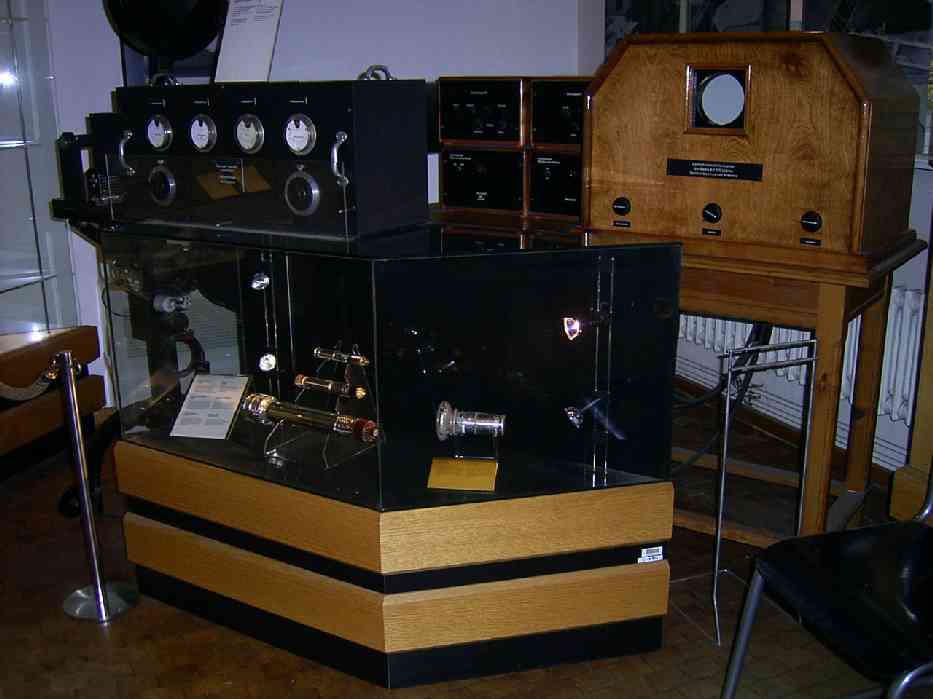
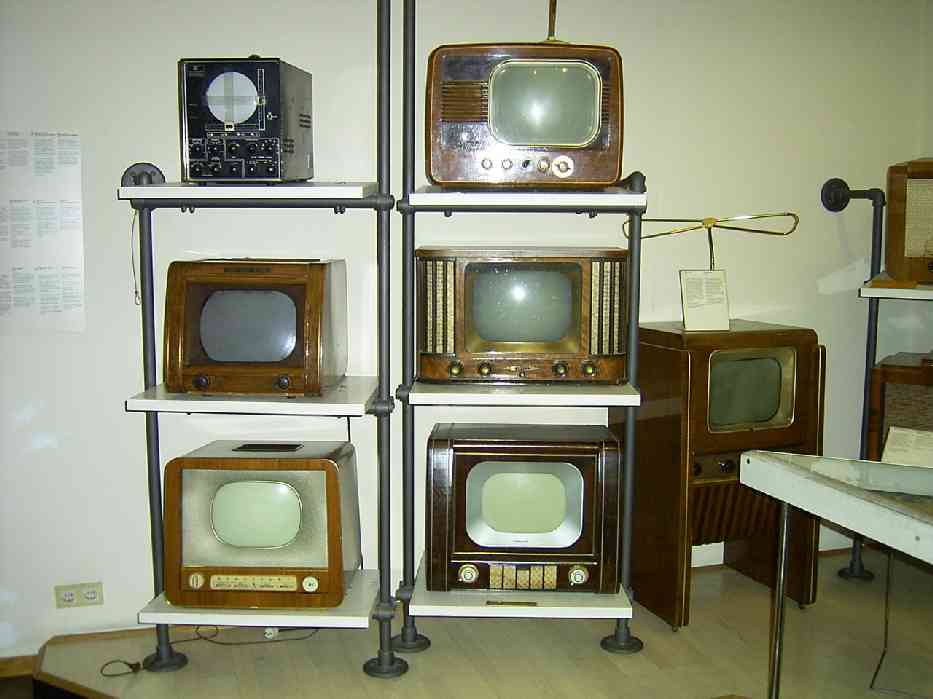
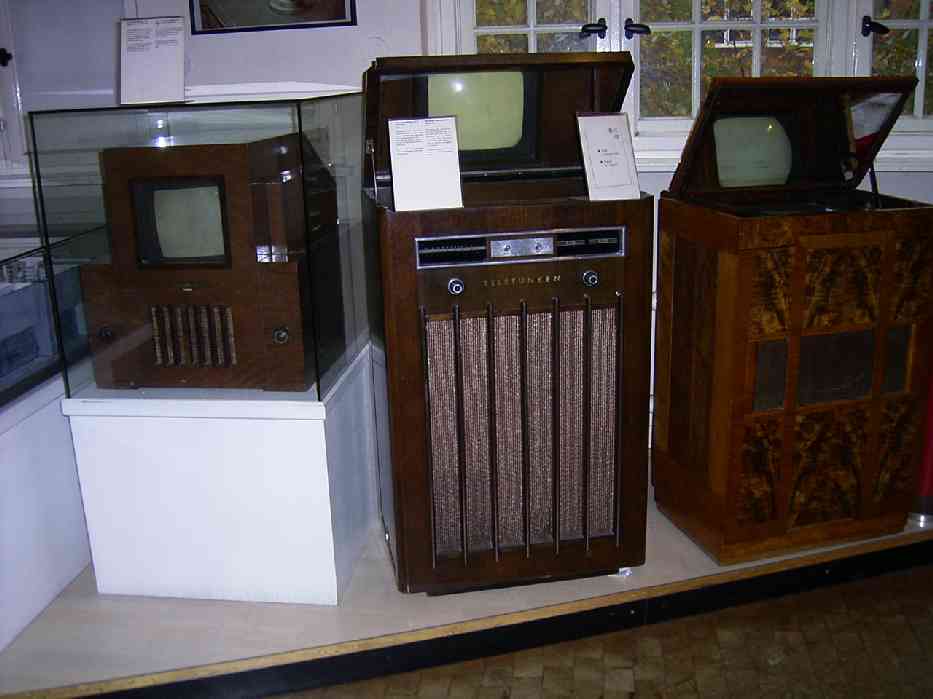
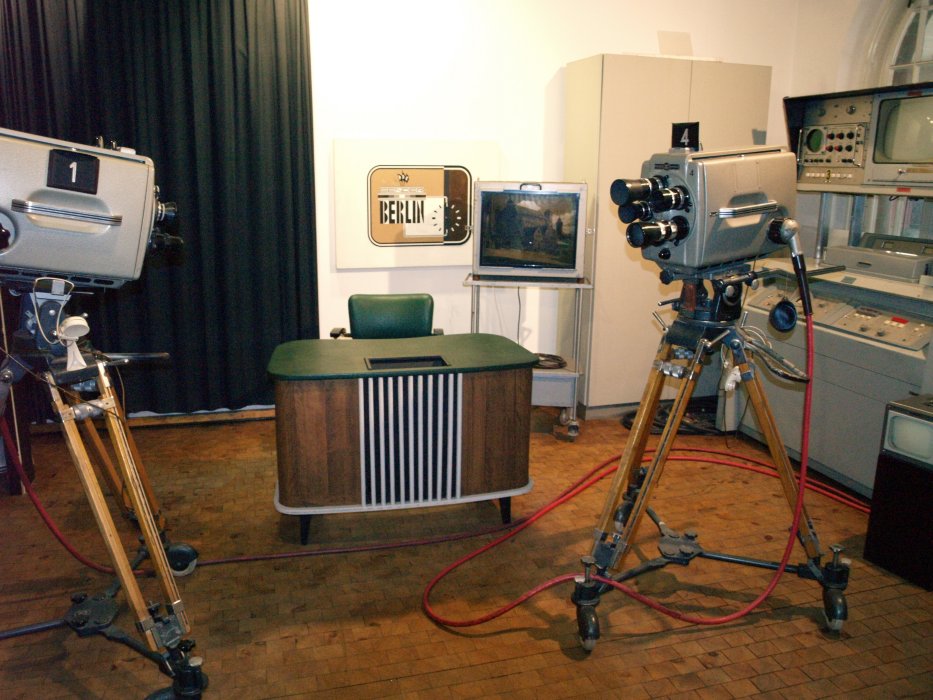
  • TV and image recording
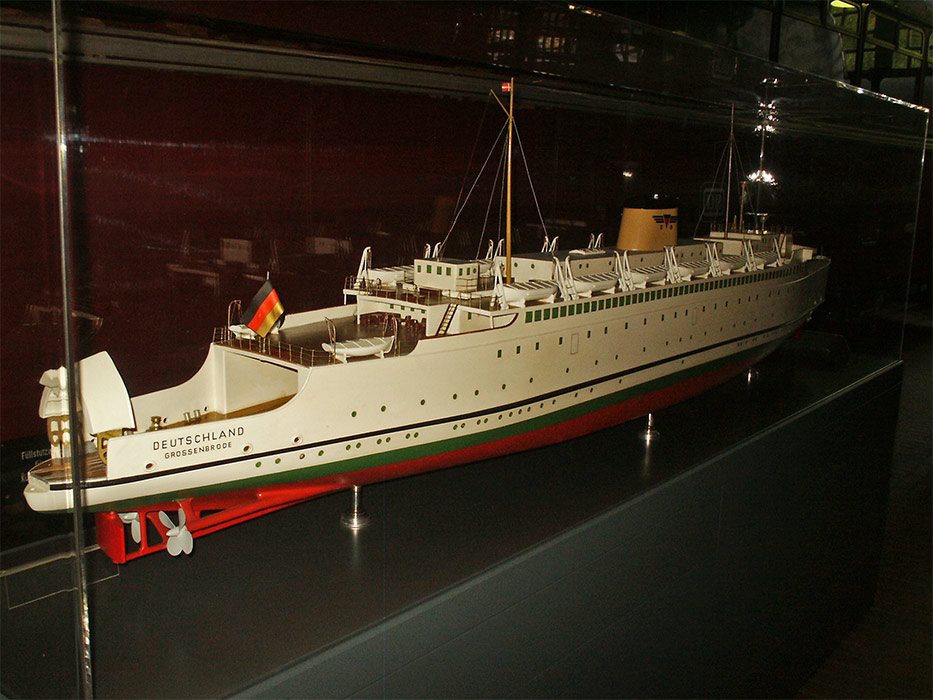
  • Model Ships
  • Wire- & tape recording
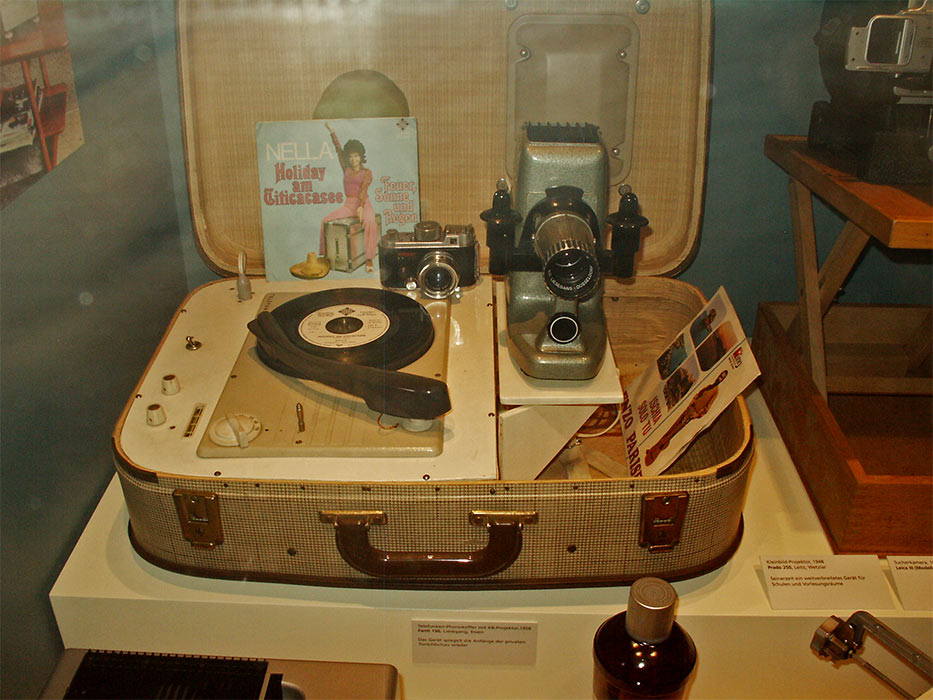
  • Photo cameras and slide projectors
  • Clocks and Watches
  • Bicycles
  • Textile production
  • Air and Space
  • Model Aircraft and Aviation
  • Combustion engines/generators/pumps
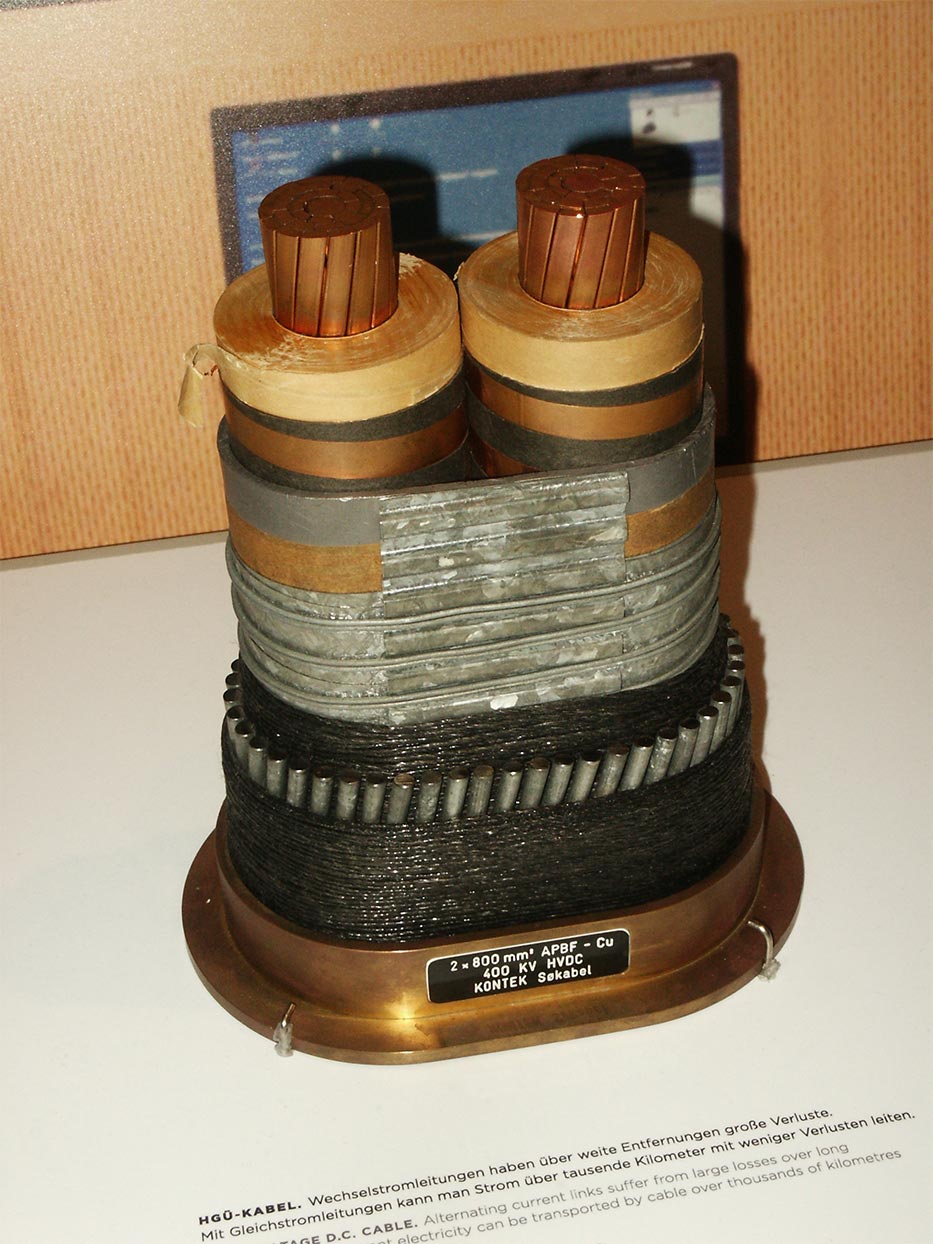
  • Electric motors/generators/pumps
  • Technical and functional models
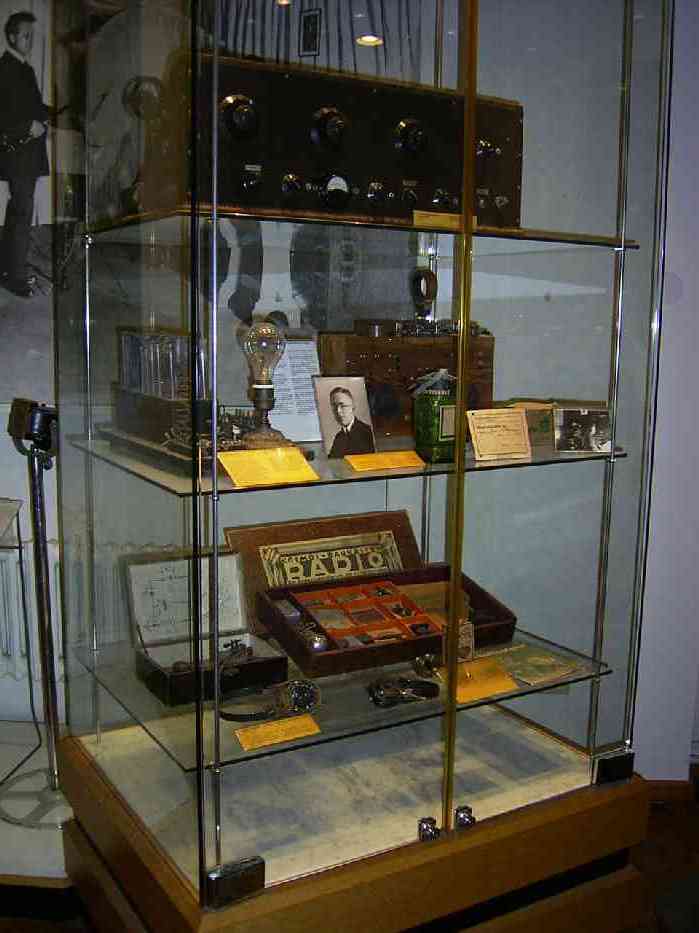
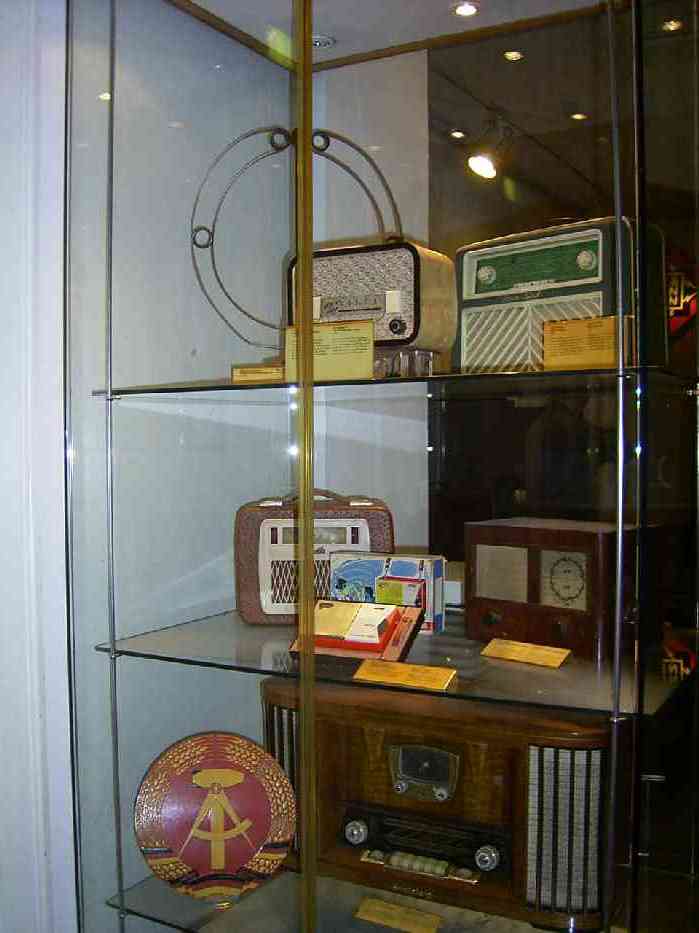
  • Radios (Broadcast receivers)
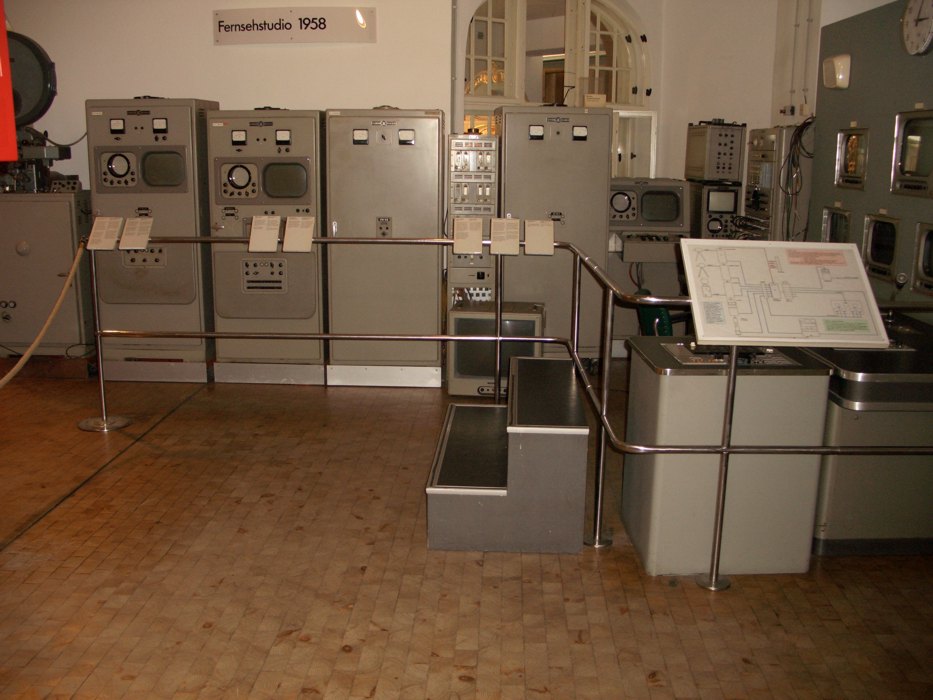
  • Transmitting and Studio technique
  • Telephone / Telex
  • Transport in general
  • Computer / Informatic
  • Railway
  • Printing technology
  • Biology / Medicine
  • Morse technology
  • Gramophone (no electrical sound transmission)
  • Food and beverage production
  • Military Aerospace
  • Arms
  • Radio and Kommunication in general
  • Amateur Radio / Military & Industry Radio
  • Appliances (Scales, Stamping, etc.)
  • Military ships and submarine


Orario d'apertura
Tuesday - Friday: 9am - 5.30pm; Saturday, Sunday, holidays:: 10am - 6pm
Dienstag - Freitag: 9 - 17.30; Samstag, Sonntag, Feiertag: 10 - 18

Costo
Status dal 08/2025
Erwachsene: 12 €; ermäßigt: 6 €; Kinder, Jugendliche: 0.00 €

Contatti
Tel.:+49-30-43 97 34 0  eMail:info technikmuseum.berlin  

Pagina web technikmuseum.berlin
  Collezione del museo su radiomuseum.org

La nostra pagina per il museo Deutsches Technikmuseum Berlin (DTMB) in Berlin-Kreuzberg, Germania, è gestito dall'iscritto a Radiomuseum.org Deutsches Technikmuseum Berlin Stiftung. Contattalo per condividere la tua esperienza con questo museo, per eventuali modifiche ai dati o inviando foto mediante il Modulo contatti Ricerca Musei della radio.
Come arrivare
N52.498630° E13.376850°N52°29.91780' E13°22.61100'N52°29'55.0680" E13°22'36.6600"

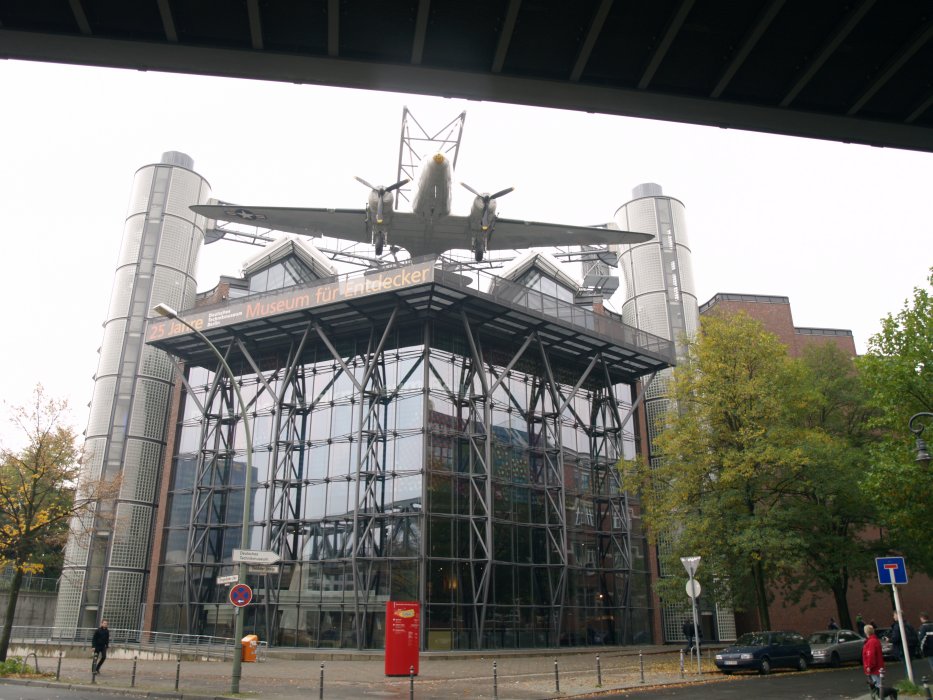
The Deutsches Technikmuseum and the Science Center Spectrum are located in the heart of Berlin. The location in Kreuzberg can be easily reached by public transport. The “Candy Bomber” on the roof is the museum's landmark piece.

The Deutsches Technikmuseum is spread out over spacious grounds in a variety of buildings. The museum premises are divided into two separate sections, each with its own entrance: the Main Building on Trebbiner Straße and the Ladestraße complex with the Science Center Spectrum. Both exhibition areas are within a short walking distance of one another. Admission tickets allow access to the entire museum grounds and all exhibitions for the whole day.

By underground U-Bahn:
Möckernbrücke: U1, U3, U7
Gleisdreieck: U1, U2, U3

By metro train S-Bahn:
Anhalter Bahnhof: S1, S2, S25, S26

We recommend travelling by public transport. Car parking facilities and local parking nearby the museum are very limited. A small number of disabled parking spaces are available outside the Museum.

Esempi di apparecchi visionabili nel museo:

A: Ingelen, Geographic US837W (1936/37)
A: Ingelen, Geographic 39A (39GW) (1938/39)
D: Telefunken Wellenmesser KKW36a (1914)
D: Telefunken Primär-Empfänger E40 (1915??)
D: DeTeWe Zweikreis-Empfänger (1916)
D: AEG Radios Allg. Vierröhren-Verstärker KF4 (K4) (1916?)
D: Telefunken Überlagerer EZ210 (1917)
D: Telefunken Flugzeugempfänger E229 (1918)
D: Telefunken E85c (1918??)
D: Radio-Amato, Otto Einröhren-NF-Verstärker 5049 (1924-26)
D: Radio-Amato, Otto Detektor-Empfänger C 5025 (1924/25)
D: Birgfeld AG, W.A; Zwei-Röhren-Apparat ANc (1925)
D: Lindström, Carl; Parlophon Gloria (1925-29)
D: Lumophon, Bruckner & Detektor-Empfänger F (auch E) (1926-28)
D: Seibt, Dr. Georg EA337 (1926-28)
D: Siemens & Halske, - Rfe22 (1927-29)
D: Tefag; Telephon Supertefag 1248W2 (1927-29)
D: Kramolin; München Pentatron RDV45 (1927/28)
D: Radio-Amato, Otto Sperrkreis variable Kopplung (1927/28)
D: Isaria Zählerwerke Volksempfänger VE3 (1927/28)
D: Telefunken Arcolette 3 "Übersicht" (1927??)
D: Blaupunkt Ideal, B VII (7) (1928/29)
D: Nora, Aron, Neutrodyn K4W (1928/29)
D: Odeon Marke, Paracelsus (1929?)
D: Telefunken Katzenkopf 340WL (T340WL) (1931/32)
D: Loewe-Opta; VE301G (1933-38)
D: Gemeinschaftserzeugn Arbeitsfront-Empfänger DAF1011 (1935-39)
D: Loewe-Opta; Fernsehempfänger FE B (1935/36)
D: Hagenuk N&K, Nordmark-Super W (1935/36)
D: Blaupunkt Ideal, Großsuper 4GW76 (1936/37)
D: Telefunken FE VI (FE6) (1937)
D: Philips Radios - Aachen-Super D52-AU (1937/38)
D: Gemeinschaftserzeugn Enigma (1938)
D: SABA; Villingen Volksempfänger VE 301 Dyn W (1938-41)
D: AEG Radios Allg. Magnetophon HTS (1939)
D: Schaleco - Schackow, Stahl-Super W (1939/40)
D: Steeg, Dr., & Reuter Resonanz-Frequenzmesser FM2 (1941?)
D: Fernseh Fernseh AG, Seedorf Sichtgerät EB NFE/3 (1943)
D: Fernseh Fernseh AG, Zielweisungssendegerät "Tonne" (1943-45)
D: AEG Radios Allg. Kleinst Magnetofon R26 (1944??)
D: Funkwerk Zittau, VEB Zittau WLK I (WLK1) (1947/48)
D: Fernseh Fernseh AG, Farvigraph (1948)
D: Pruy, Radio-; DKE50 (1950)
D: Sachsenwerk Radeberg Leningrad (Ленинград) T2 (1950/51)
D: Blaupunkt Ideal, Ultrakurzwellen-Vorsatzsuper UKW-V (1950/51)
D: Fernseh Fernseh AG, Fernseh-Empfänger DE9/2 (1951)
D: Philips Radios - Fernseh-Projektions-Truhe TD2312A (1952-54)
D: Nora, Aron, Lumen 52 (1952?)
D: Maihak AG, H.; Reportofon MMK3 (1953-55)
D: Argus Radiowerk, Capitol W (1953/54)
D: Sachsenwerk Radeberg Rembrandt FE852D (1954)
D: Funkwerk Halle FWH, Libelle 4D61 (1955-55)
D: Blohm, Ing. Heinz; Vorsatzgerät V2S (1955/56)
D: Sachsenwerk Radeberg Rubens FE855D (1956)
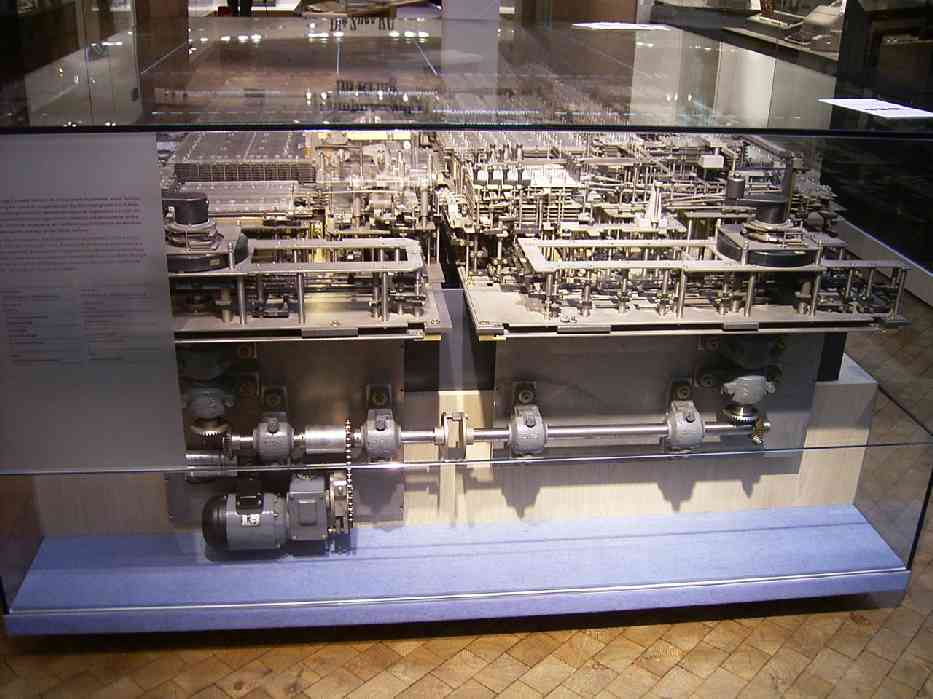
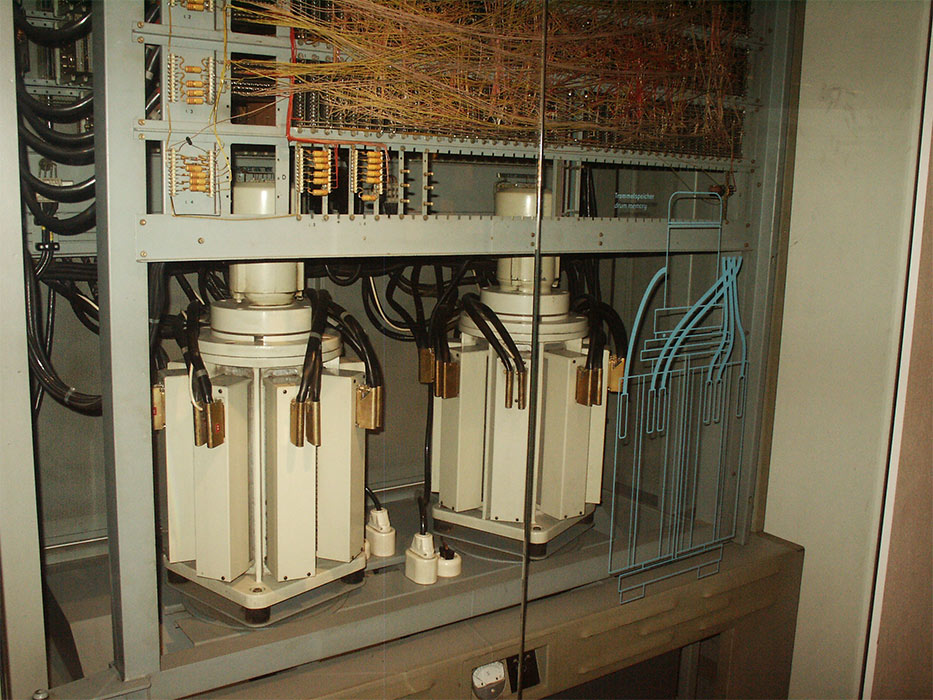
D: Zuse KG; Bad Computer Z22 (1956-61)
D: Sachsenwerk Radeberg Rubens FE855-C1 (FE855-CI) (1956/57)
D: Stern-Radio Sonneberg Consul 697/57WUS (1956/57)
D: Stern-Radio Staßfurt Iris 12 16 GW 301 (1957)
D: REMA, Fabrik für Trabant UKW (1958-60)
D: Fernseh Fernseh AG, Diaabtaster DAT15 (1958?)
D: Stern-Radio Sternchen 57/69TT (1959/60)
D: Fernseh Fernseh AG, Filmgeber F16LP15 (1959??)
D: Braunkohlenwerk Stelltrafo Constant S2 (1963)
GB: Decca Brand, Samuel Dulcephone (1914-26)
GB: Baird brand - John Televisor with Nipkow Disc (1929/30)
J: Yaesu-Musen Co. Ltd. FT-767GX (1986)
NL: Philips; Eindhoven 14TX100A-70 (1954)
USA: National Company; HRO-MX (1944/45)
USA: Ampex; San Carlos, VR 1000 (1956)

Esempi di valvole visionabili nel museo:

Triodo trasmittente, raffr. ad RS351
Triodo trasmittente, raffr. a SRW317

Descrizione

The Deutsches Technikmuseum, founded in 1982, stands in a long tradition of scientific and technical collections. Many of these had their home in Berlin for more than 120 years, and some of these collections have been taken over by the Deutsches Technikmuseum. A great deal, however, was destroyed during the Second World War, or moved elsewhere.
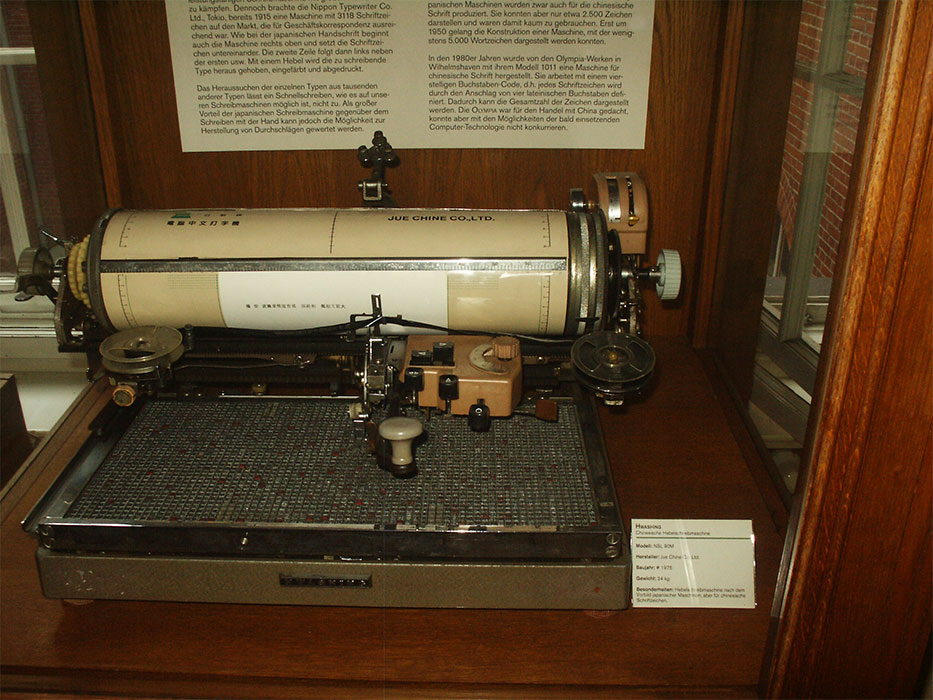
Close to Potsdamer Platz, the museum occupies a historical industrial site dating back to 1874:
the site of the former goods yard of Anhalter Güterbahnhof.
The large museum park – containing two windmills, a water mill, a smithy and a brewery – is also an oasis of green.

Permanent exhibitions

Sugar
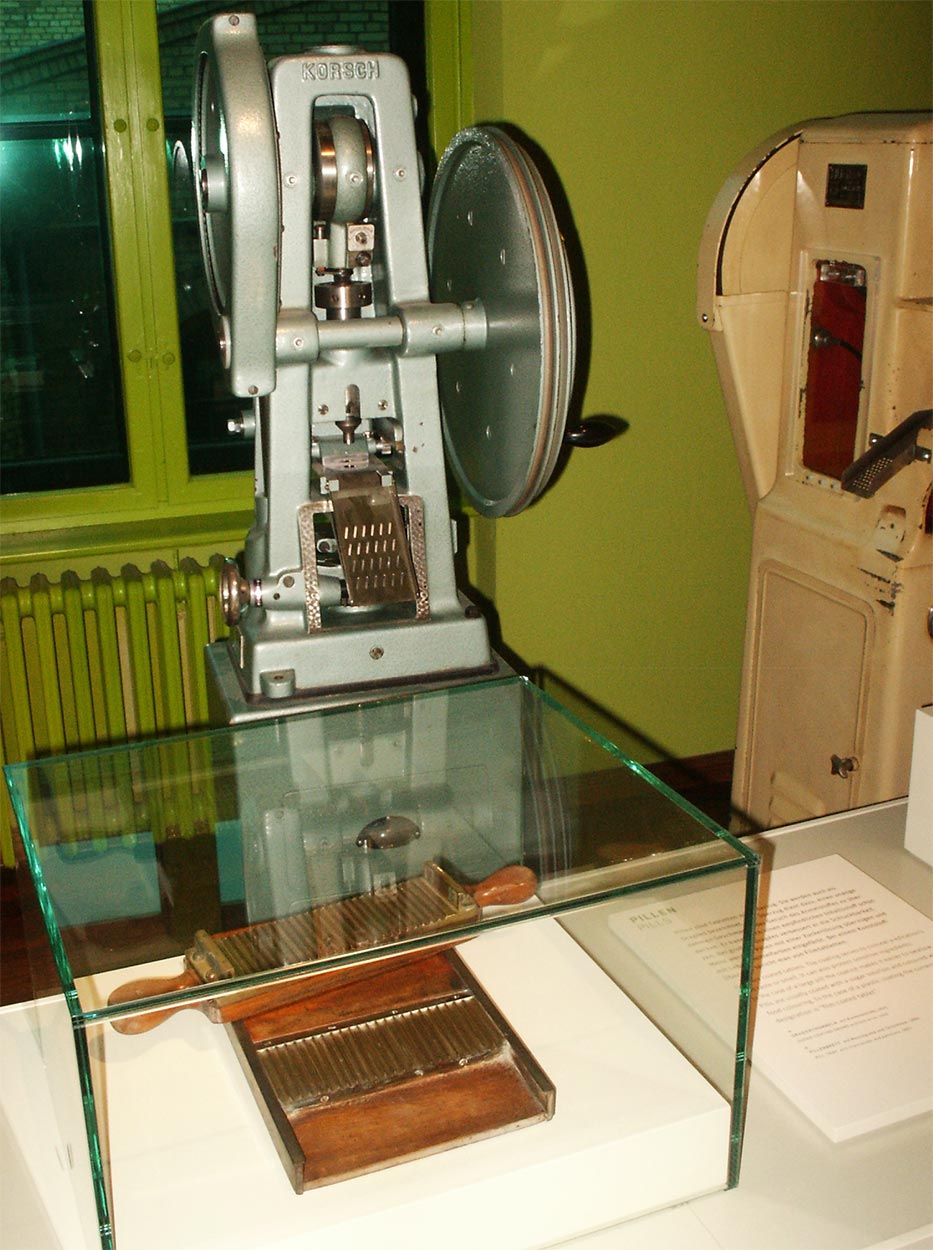
Chemicals and Pharmacy
The Network
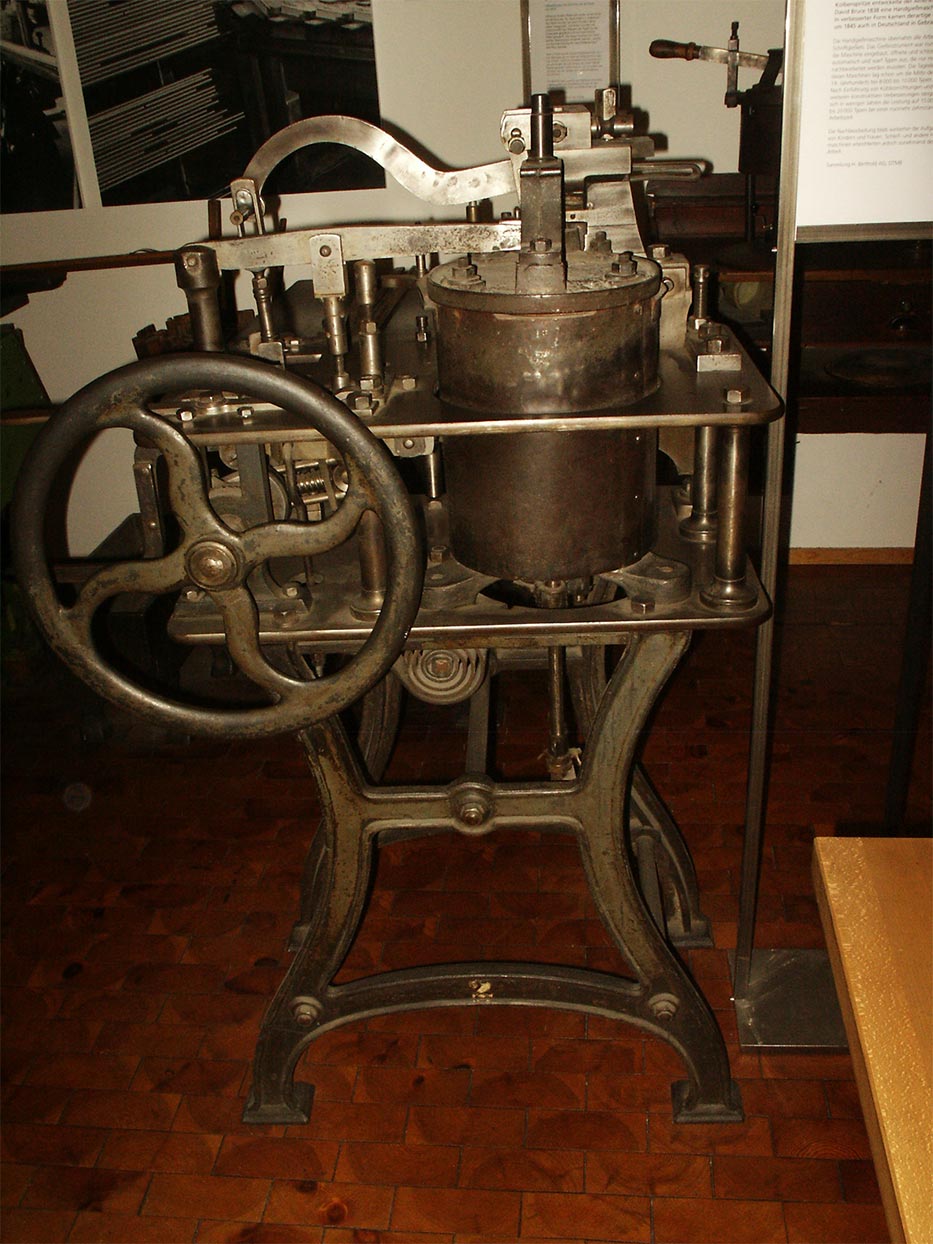
Printing
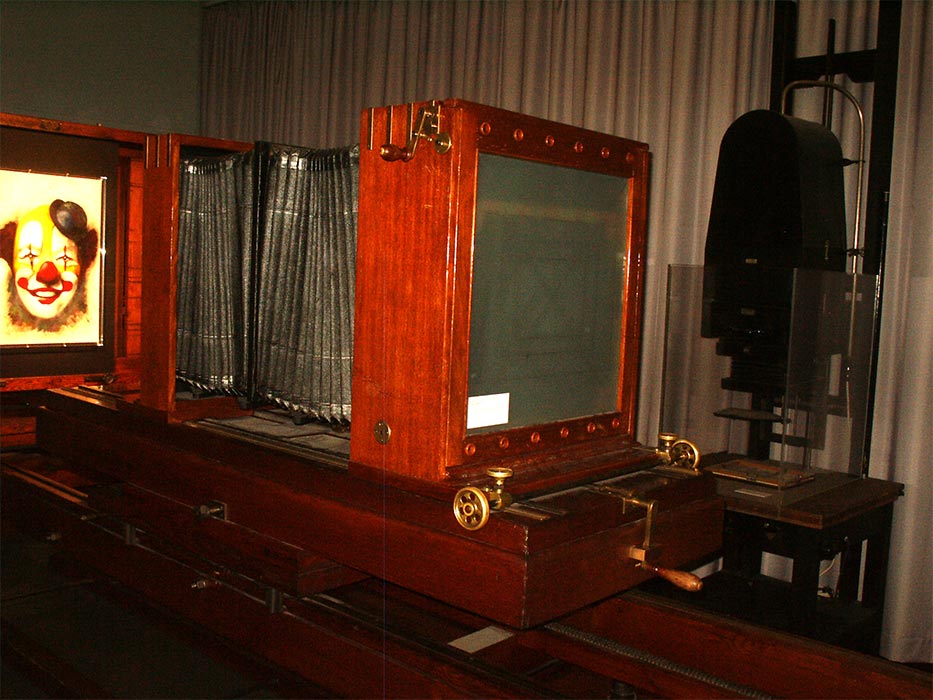
Film Technology
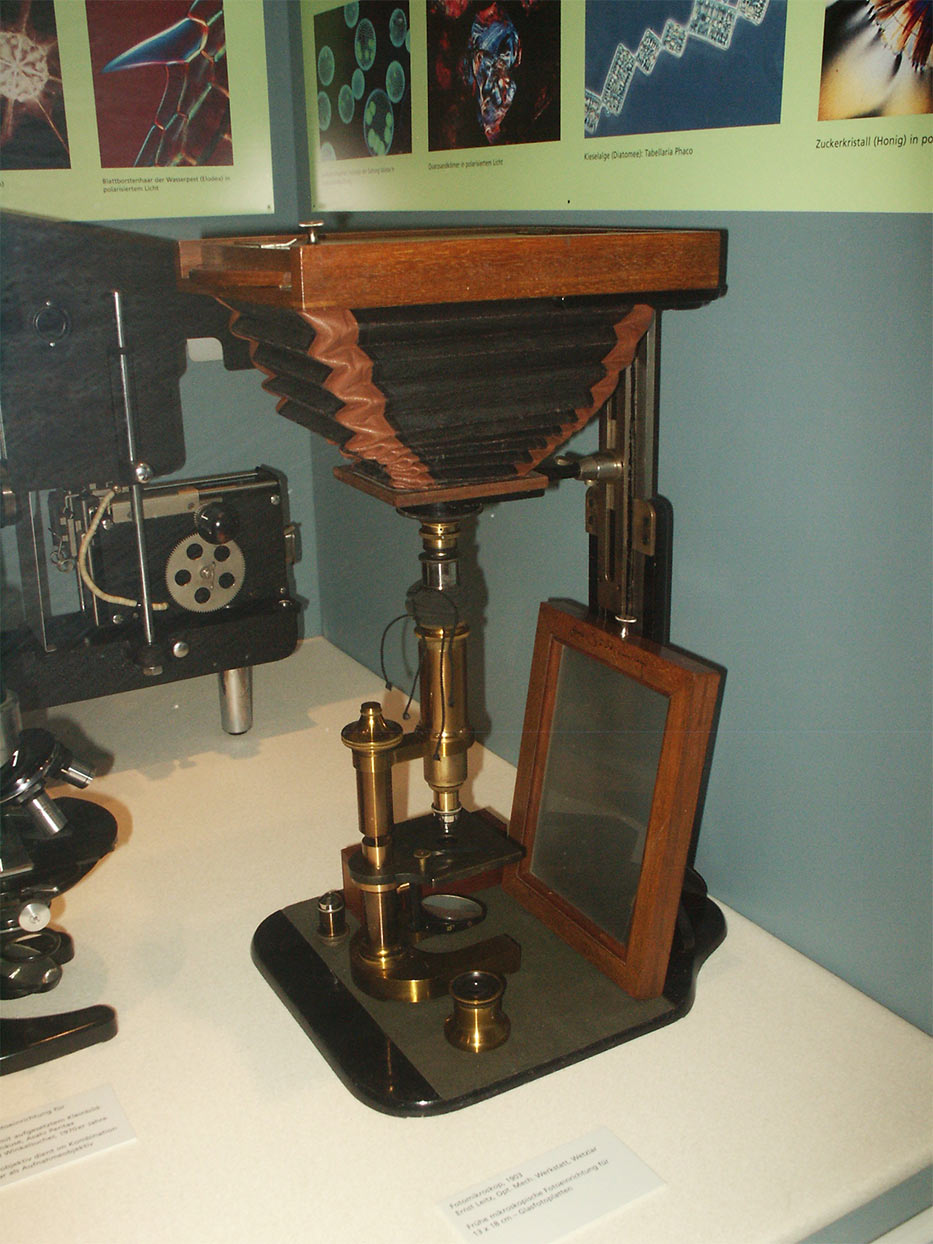
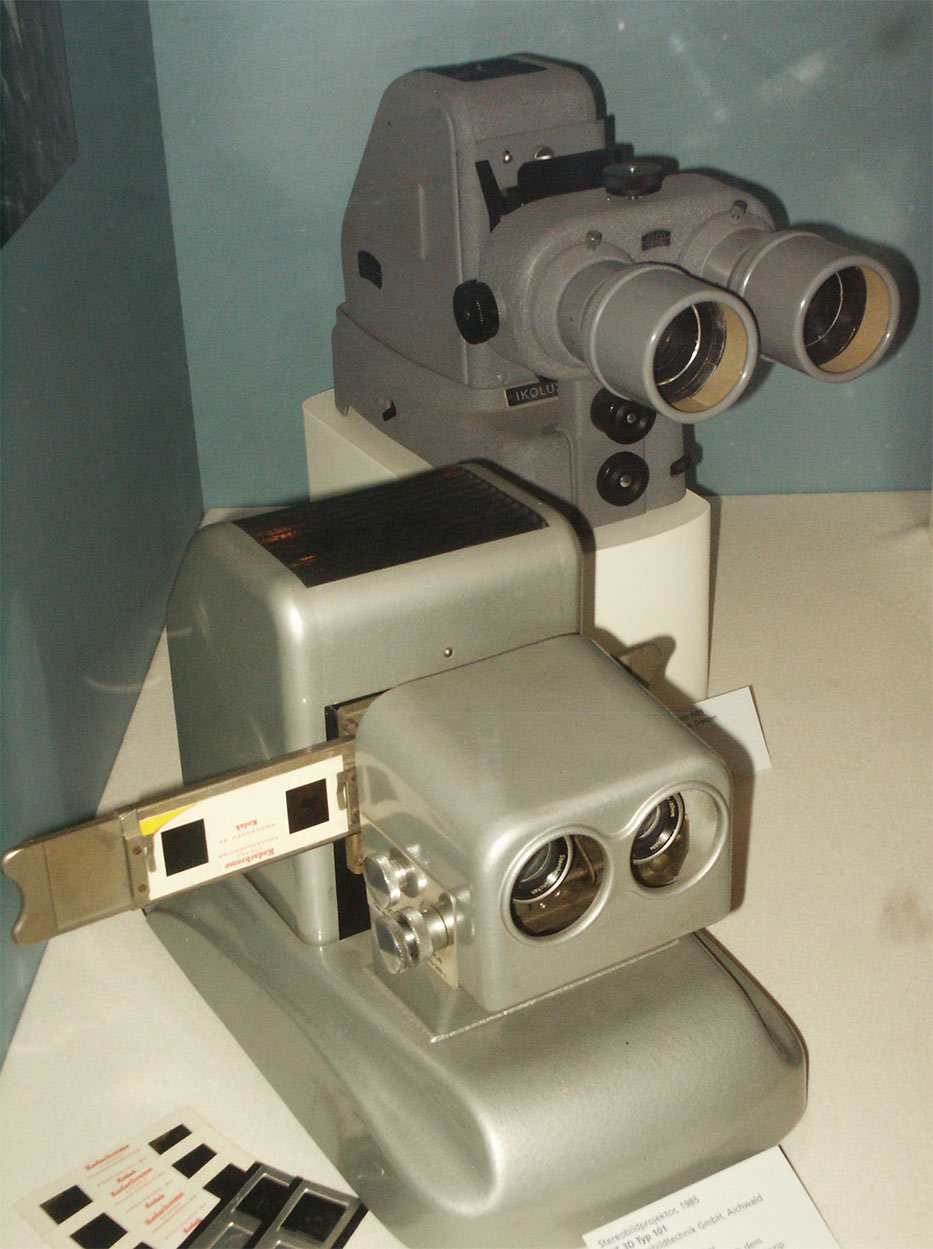
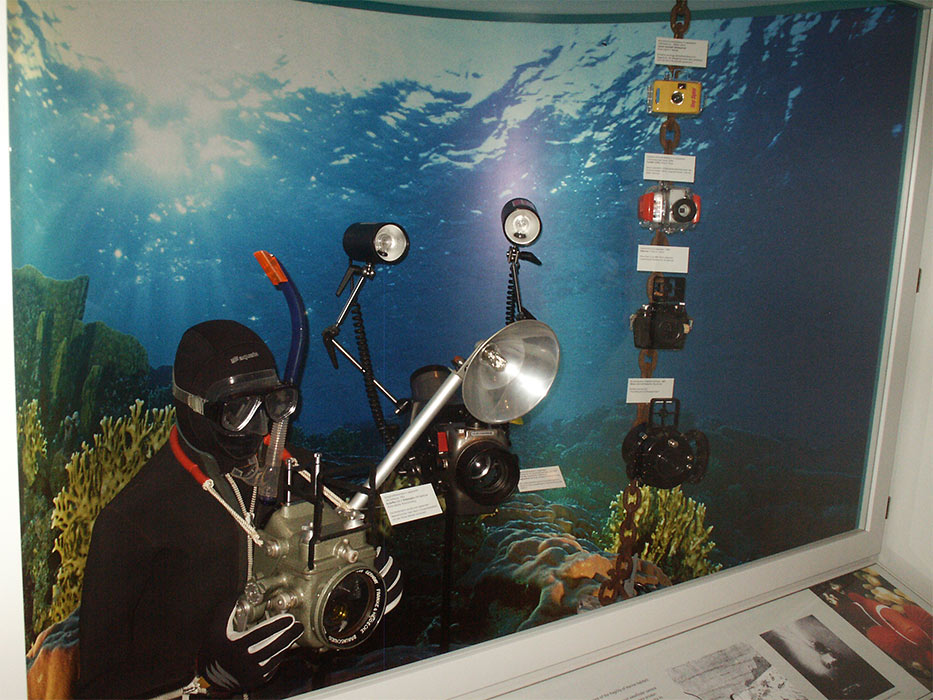
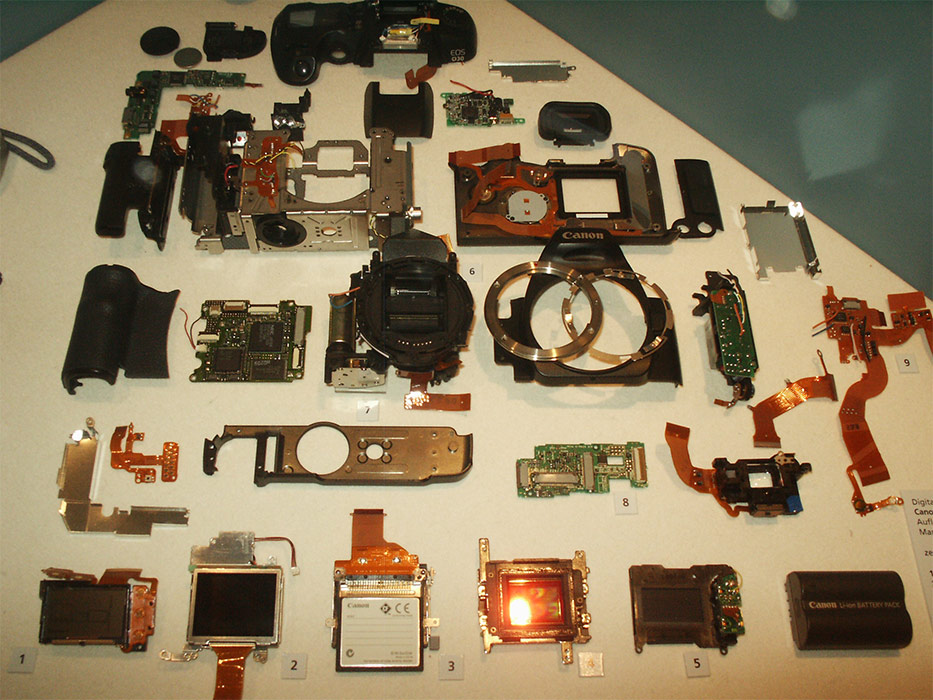
Photo Technology
Historical Brewery
Computers
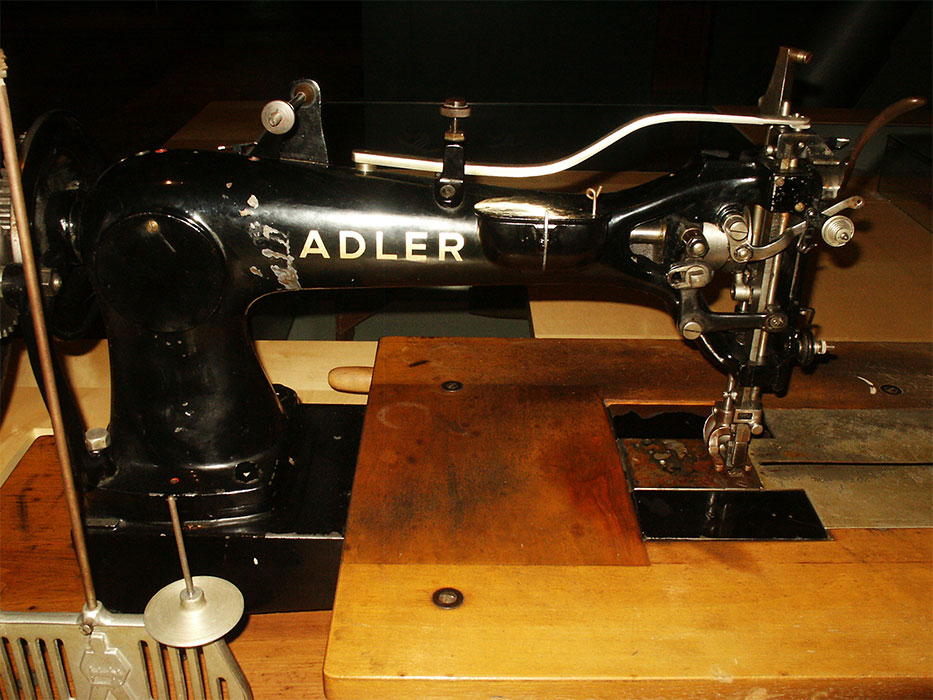
Historical Suitcase Production
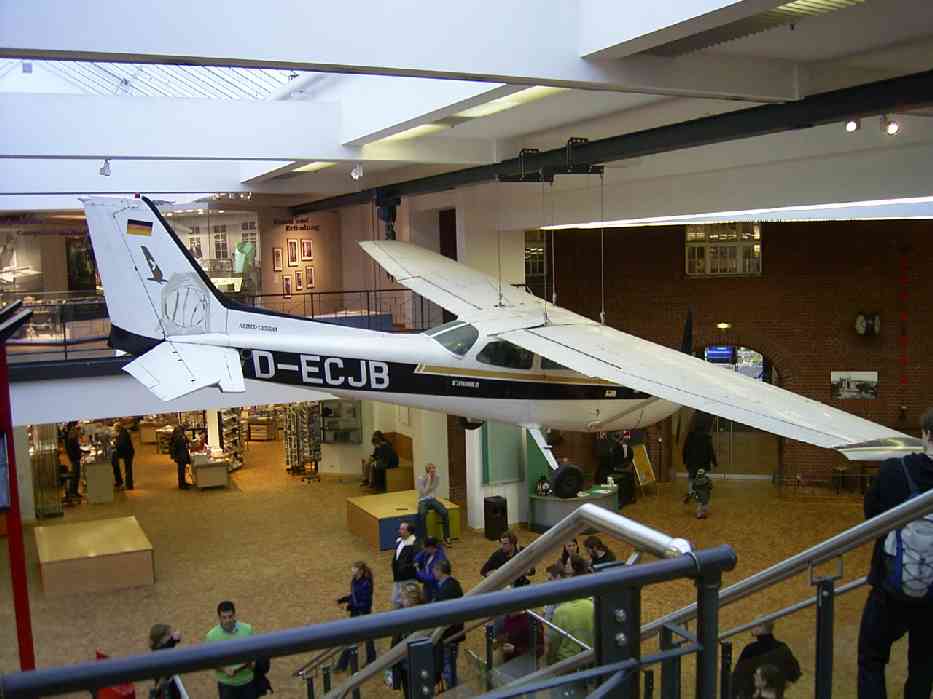
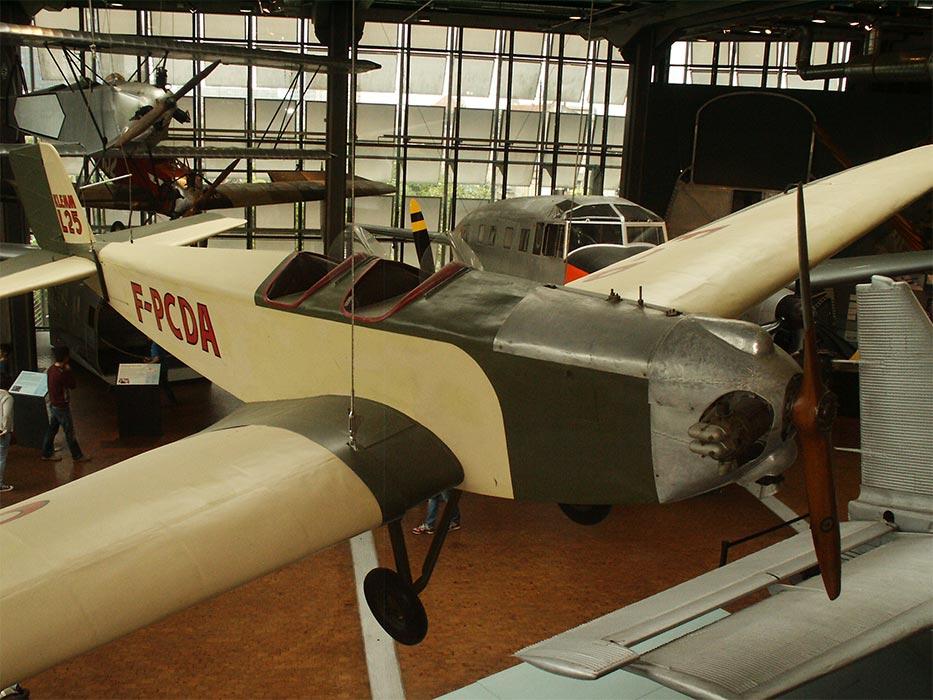
Aviation
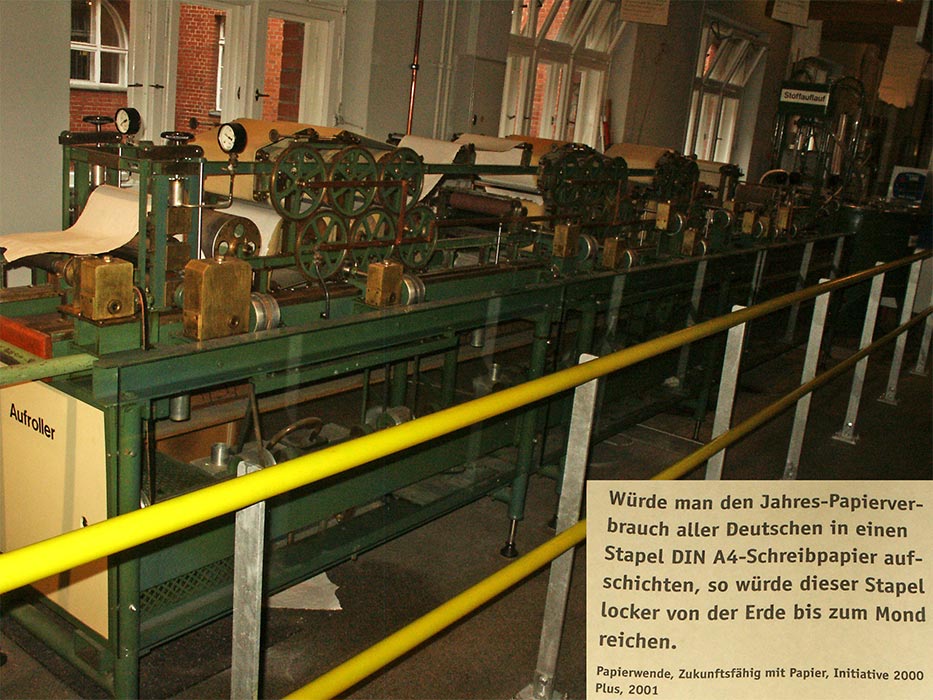
Papermaking
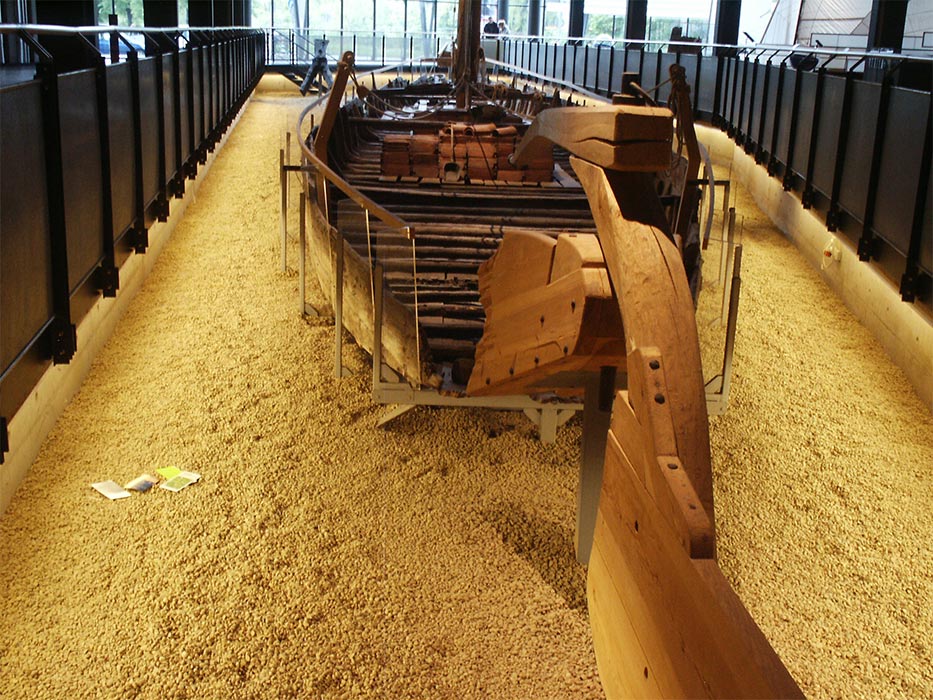
Shipping
Jewelry Manufacture
Road Transport
Textile Technology
Machine Tools
Wind Power in the Museum Park
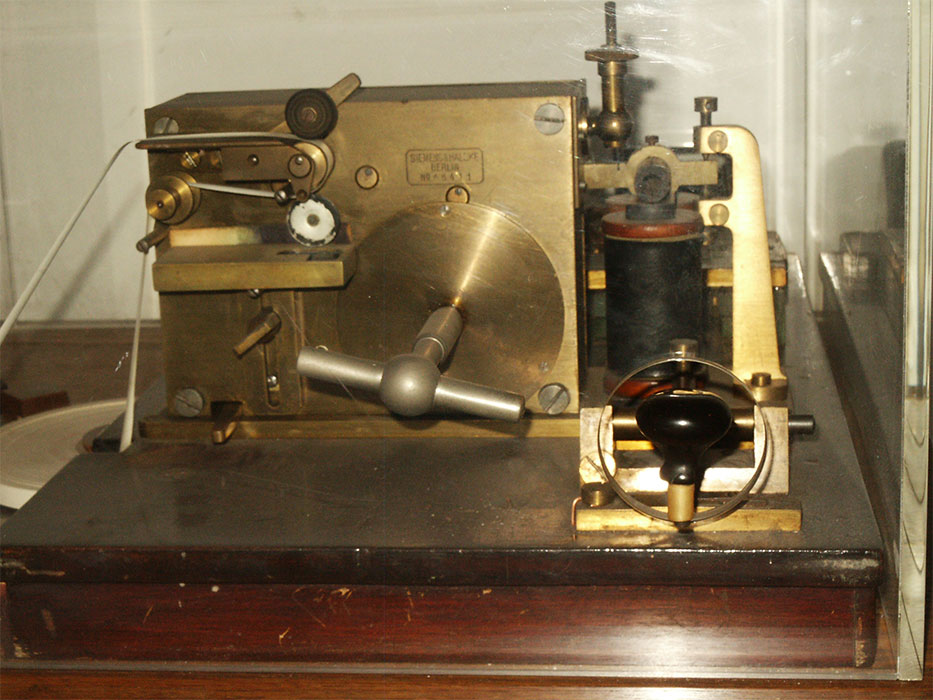
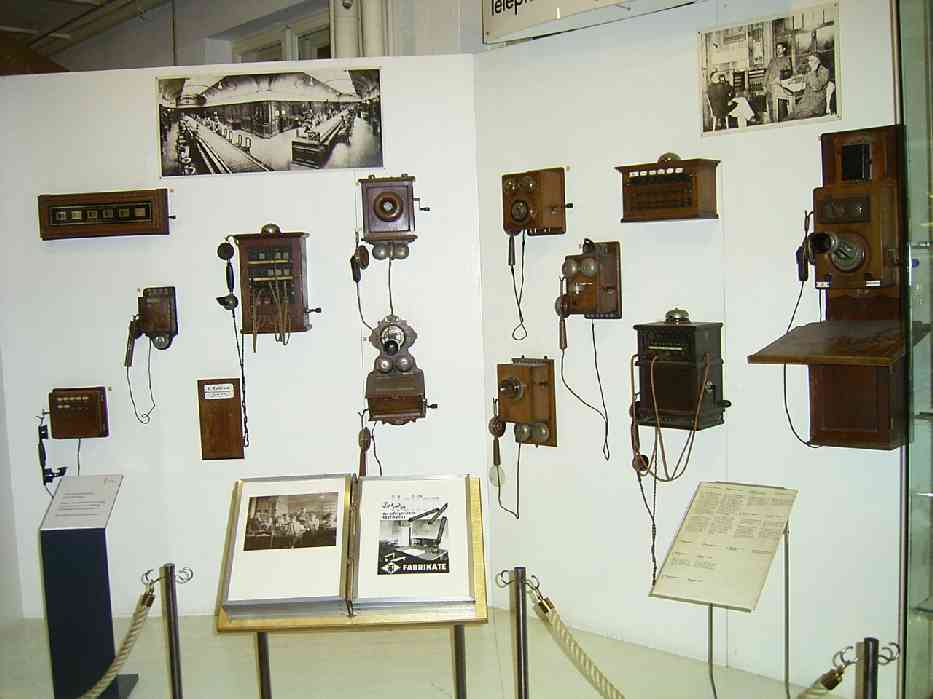
Telecommunications

Electric communications have had a tremendous influence on the relationship between people over the past 100 years. Distances seem to have shrunk, the volume of information available has grown considerably, access to information is much more widespread. Until the 19th century, it was mainly the ruling sovereign who was in control of the communication technology of the time (post, telegraph system). Today, access to communication systems primarily depends on the necessary financial means.

The metropolis of Berlin has always been a hub for electric communications in Germany. At the same time, Berlin was also home to administration bodies, research institutes and companies that were vital for such innovation. The importance of telecommunications technology as a key industry in modern times is growing as databases are increasingly being integrated into networks.

The main topics forming the exhibition on the history of telecommunications provide a cross-section of the entire collection. The exhibits do not claim to convey a complete thematic or chronological picture. "Electropolis" Berlin forms the heart of the exhibition.

Rail transport

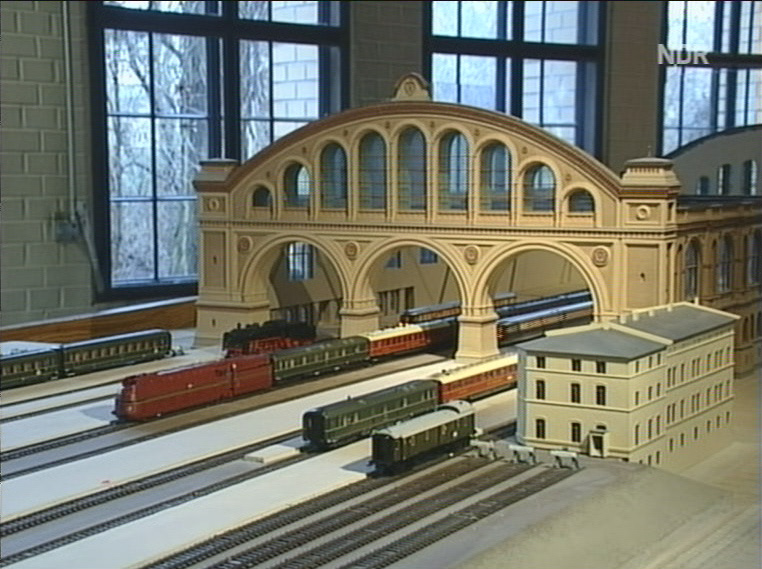
The grand entrance arch of Anhalter Bahnhof station 1880 Trains, locomotives and people

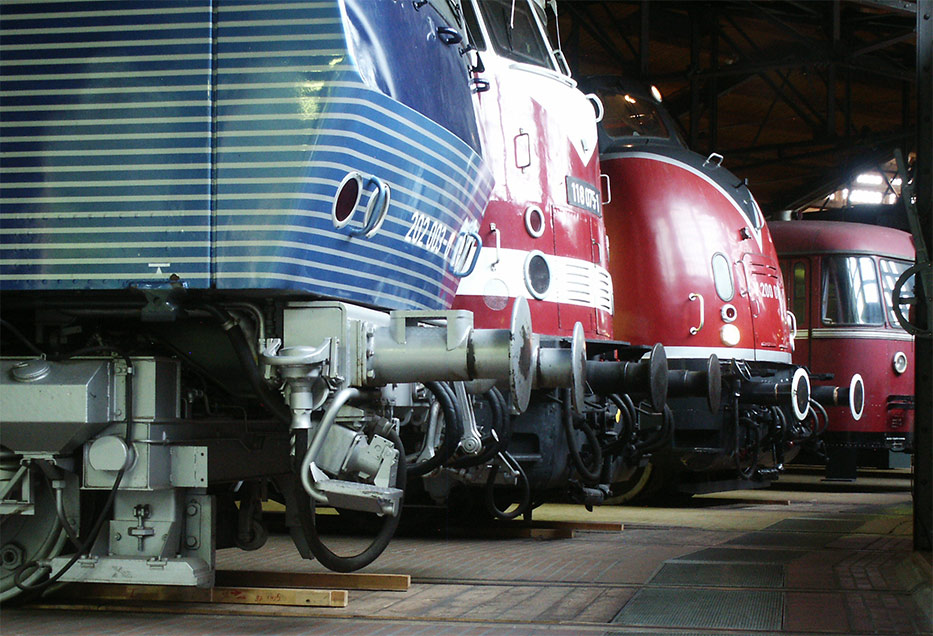
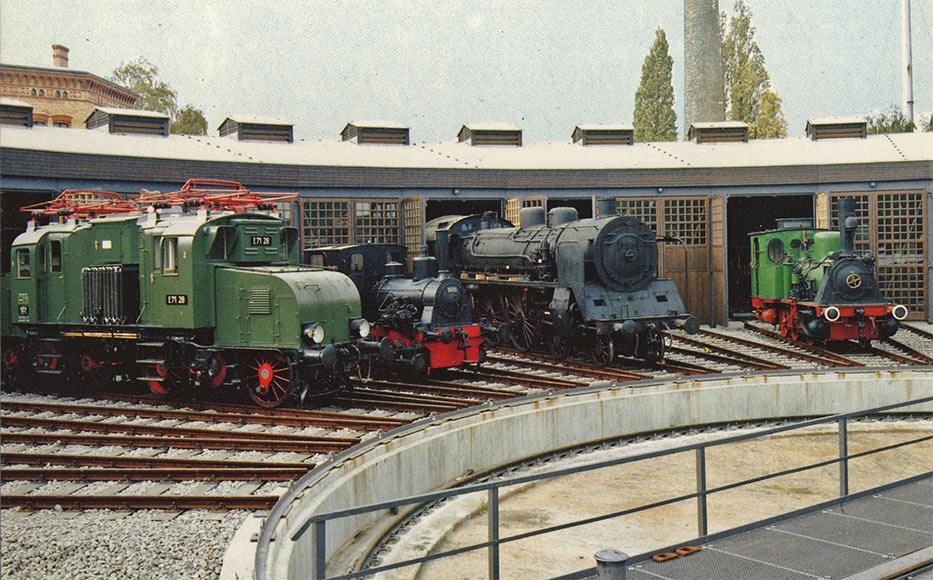
Behind the grand entrance arch of the former Anhalter Bahnhof station begins the world of rail transport. In former times Berlin was Germany’s railway capital with numerous main-line stations and locomotive works, and it is from this that the exhibition derives its inspiration.

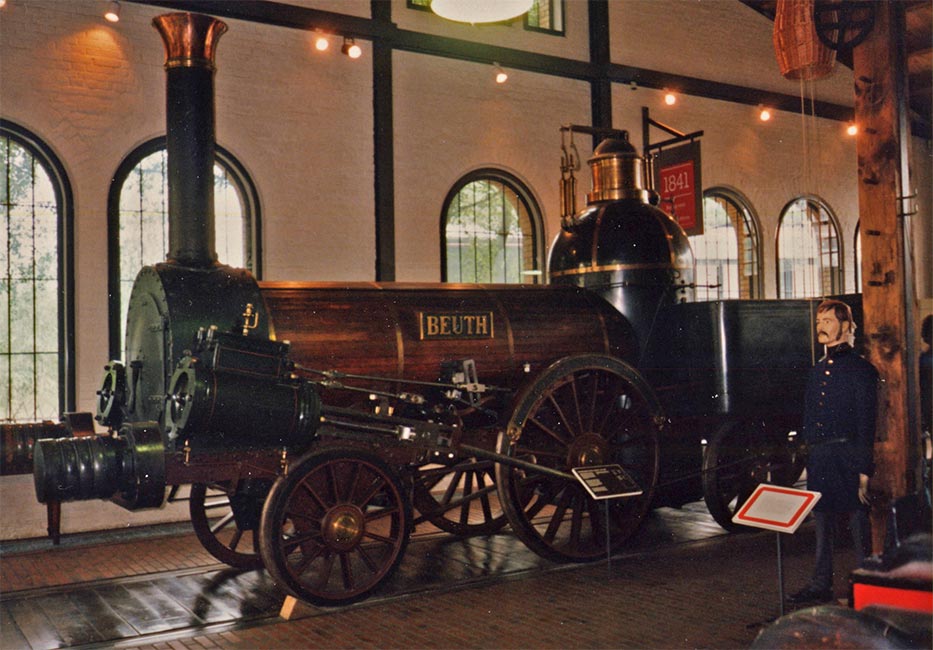
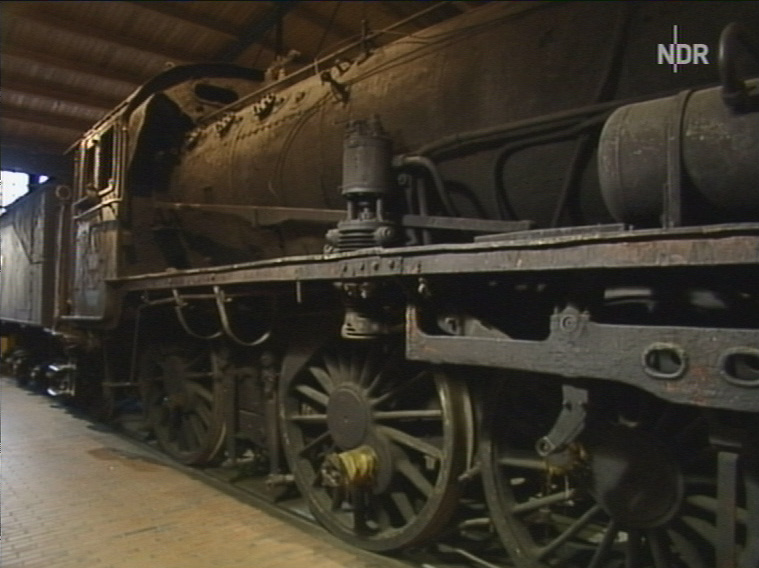
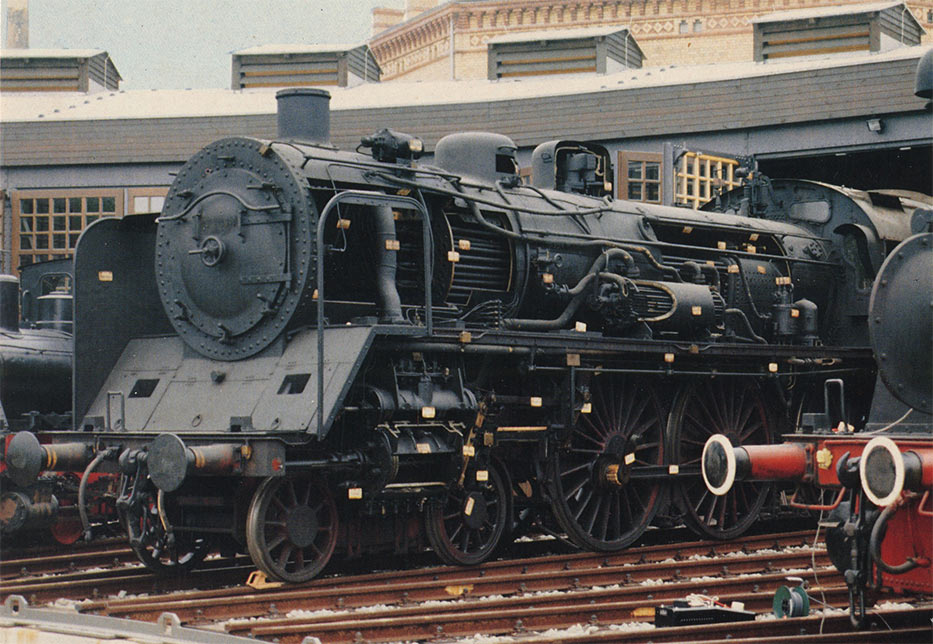
Our presentation of Germany’s railway history starts with the steam engine “Beuth”, moving on to the first ever electric railway (invented by Werner Siemens), express locomotives of various classes, rubble trains and railcars, and ending with diesel engines and the precursors of the ICE high-speed train.

Long Night of Museums 30.08.2025

Sending radio - receiving radio 19:00 - 23:00

with COHIRADIA demonstration
see Projekt Cohiradia


Radiomuseum.org presenta la recensione di uno dei tanti musei catalogati nel sito. Abbiamo cercato di inserire tutti i dati più importanti. Nell'elenco (link in alto a destra) troverai un elenco esaustivo dei musei della radio d'epoca (e non solo) su cui abbiamo informazioni. Aiutaci ad essere esaustivi e aggiornati, utilizzando il modulo contatti che trovi in alto.

[dsp_museum_detail.cfm]


Conformità dei dati Ulteriori informazioni